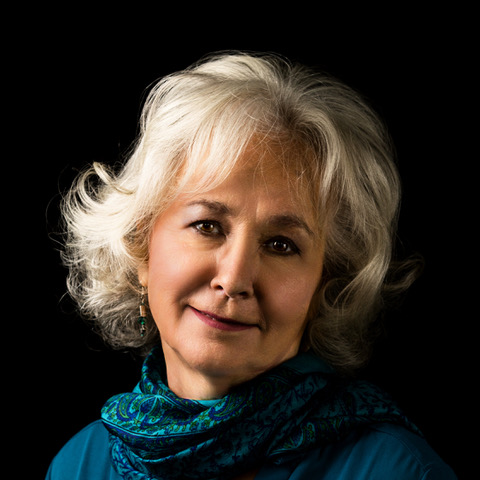
Born in British Columbia to a father stationed there during the Second World War, Joella Foulds grew up on a farm in rural Manitoba, one of five siblings raised in a close-knit community that valued music, creativity, and service. Her mother — a teacher, choir leader, and director of plays and musicals — was an early and enduring influence, fostering in Joella a love of music and a commitment to community that would define her life’s work.
Joella’s introduction to traditional music came through school and community dances, where a fiddler and accordion player performed Scottish and Métis tunes, and everyone from children to elders took to the floor. By the time she reached high school in the 1960s, she was singing folk songs with her sister, gathering friends with guitars for late-night sessions, and performing in coffee houses and concerts at university in Winnipeg, drawing inspiration from Joan Baez, Pete Seeger, and Bob Dylan.
Her most significant contribution to traditional music came as co-founder of the Celtic Colours International Festival in Cape Breton, now celebrating its 30th year, which has transformed opportunities for traditional musicians — enabling full-time careers that were unimaginable a generation earlier. Through Celtic Colours, Joella built lasting creative bridges between Cape Breton and Scotland, championing collaborations such as the Unusual Suspects project, which brought together equal numbers of Canadian and Scottish artists and changed the trajectories of careers on both sides of the Atlantic.
Now aged 81 and officially retired, Joella returned as Artistic Director for Celtic Colours’ 2025 season during a period of leadership difficulty, helping to deliver what was recognised as Event of the Year at the East Coast Music Awards. She remains an active volunteer with the festival, and is looking forward to returning to her garden — and completing her second album of original songs.
Joella Foulds’s induction into the Scottish Traditional Music Hall of Fame recognises a lifetime of visionary cultural leadership and her exceptional contribution to connecting Scottish and Cape Breton traditional music.