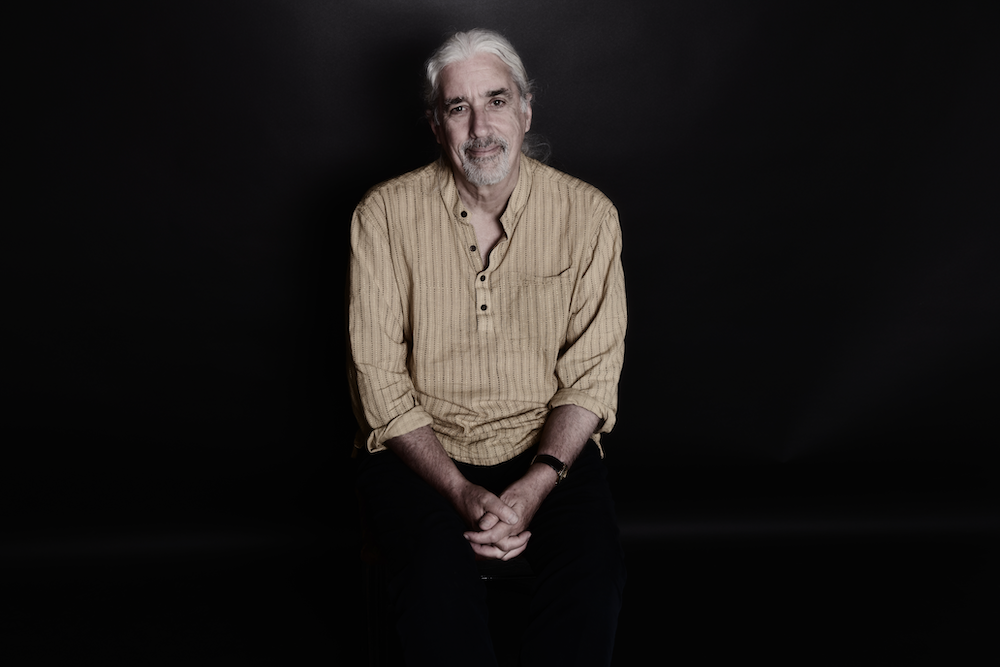
Born in Dumfries, David Francis spent most of his childhood living in Ayrshire before returning to Dumfries for his teenage years. This connection to southwest Scotland, with its rich associations with Robert Burns and its distinctive musical traditions, would prove formative in shaping his lifelong engagement with traditional music and culture.
David’s first involvement in traditional music came through Dumfries Folk Club, which was run at that time by Irvine and Maggie McVeigh. The McVeighs proved remarkably encouraging to the young David and his friends, even though they were under-age, welcoming them into a community that would shape his musical direction. The folk club attracted an impressive roster of visiting artists, with Martin Carthy a regular visitor alongside the likes of Archie Fisher, Barbara Dickson, Mike Harding, Peter Bellamy, and the early incarnation of Silly Wizard. The resident performers included Billy Henderson, who later formed Black Eyed Biddy. These formative experiences exposed David to the finest performers of the folk revival, providing an education in the breadth and quality of traditional music.
Growing up, The White Heather Club was a weekly fixture in the Francis household when David was very young, providing early exposure to Scottish music and entertainment. However, his main listening diet began with 1960s pop music before progressing to what was then referred to as “underground” music during his teenage years. This journey through contemporary music led him to discover Fairport Convention, a band he loved then and still does “in all their manifestations.” Fairport became the gateway to a deeper exploration of traditional music in all its many facets—piping, Scottish dance music, muckle sangs, bothy ballads, contemporary folk bands, and beyond. This broad approach to traditional music, seeing connections across different forms and styles, would characterise David’s later work in the field.
Throughout his career, David has witnessed massive changes in the Scottish traditional music scene. He identifies the biggest difference as the sheer number of people now playing the music, thanks to initiatives like the Fèis movement, the Scots Music Group, Glasgow Fiddle Workshop (GFW), and all the other opportunities that the scene has generated for itself. Another significant change has been the decline in the number of folk clubs, which David attributes perhaps to the variety of other outlets that people now have to pursue their interest in music. He believes that events like the Scots Trad Music Awards have created much more awareness across the scene of the common threads that tie together the different aspects of traditional music in Scotland and beyond, fostering a sense of shared purpose and community.
Whilst big events are valuable for raising profile and bringing in large audiences, David has found himself increasingly drawn to appreciate the small-scale and the informal. The thing he enjoys above all else about working in Scottish music is the conviviality the music generates—the human connections and warm community spirit that traditional music fosters. This emphasis on the social dimension of traditional music, the way it brings people together and creates shared experiences, reflects a deep understanding of what makes the tradition vital and sustainable.
David’s contributions to Scottish traditional music have been multifaceted and substantial, though the details of his specific projects and roles demonstrate the breadth of his engagement: reports for the Scottish Arts Council and the Scottish Government, helping to found the Traditional Music Forum and TRACS. He has been involved with Hands Up for Trad, an organisation dedicated to promoting Scottish traditional music, and The World’s Room, contributing to platforms that showcase and support traditional artists. His work with Bella McNab’s Dance Band keeps him connected to the performance side of traditional music, maintaining the direct engagement with audiences that he values.
Beyond his musical work with the likes of Desperate Danz Band in Aberdeen and with his partner, Mairi Campbell in The Cast, David has also developed performance projects that bridge storytelling and theatre, exploring the connections between traditional music and other forms of cultural expression. This interdisciplinary approach reflects his understanding that traditional music exists within a broader cultural context, intertwined with narrative, history, and dramatic performance.
Although now retired—though he notes with characteristic humour that he’s “not sure whether from the front line or the back room”—David continues to work actively on multiple projects. He remains involved with Distil, The World’s Room, and Bella McNab’s Dance Band, whilst developing a couple of performance projects combining storytelling and theatre. This continued engagement demonstrates his enduring commitment to traditional music and his belief in the importance of remaining active within the community he has served for so many years.
David’s perspective on the evolution of Scottish traditional music is informed by decades of direct involvement across multiple aspects of the scene. He has seen the landscape transform from an era when folk clubs were the primary venues for traditional music to today’s more diverse ecosystem of festivals, concerts, online platforms, and educational programmes. He recognises both the losses—the decline of folk clubs as community gathering places—and the gains—the vastly expanded opportunities for people to learn, perform, and engage with traditional music.
His observation about the importance of initiatives like the Scots Trad Music Awards in creating awareness of the common threads across different aspects of traditional music speaks to his broad, inclusive vision of the tradition. Rather than seeing piping, fiddle music, Gaelic song, bothy ballads, and contemporary folk as separate genres, David recognises them as interconnected expressions of Scotland’s living musical culture. This integrative perspective has been valuable in building bridges across what might otherwise be seen as separate communities within the traditional music world.
What emerges from David’s career is a portrait of someone who has worked tirelessly, often behind the scenes, to support and strengthen Scottish traditional music. Whether through organisational work, performance, or creating platforms for other artists, he has consistently prioritised the health and vitality of the tradition over personal prominence. His emphasis on conviviality—on the joy and connection that music creates—reflects a deeply held belief that traditional music’s value lies not just in its artistic merit but in its power to bring people together and enrich their lives.
David’s appreciation for both the grassroots and the formal structures of traditional music demonstrates his understanding that a healthy tradition requires multiple levels of engagement. The informal sessions and small gatherings matter as much as the festivals and award ceremonies; the amateur enthusiast contributes as vitally as the professional performer. This democratic vision of traditional music, where participation and appreciation matter more than hierarchy or status, has informed his approach throughout his career.
David Francis’s induction into the Scottish Traditional Music Hall of Fame, receiving the Hamish Henderson Services to Traditional Music Award, recognises his decades of dedication to supporting and strengthening Scottish traditional music through organisational work, performance, and advocacy. His contributions exemplify the often-unsung work that happens behind the scenes—the committee service, the project development, the platform creation—that provides the infrastructure allowing traditional music to flourish. Like Hamish Henderson himself, who championed traditional music and its bearers whilst working to ensure the tradition remained accessible and vital, David has devoted his career to serving the music and the community that sustains it, embodying the spirit of generosity and commitment that characterises the best of Scotland’s traditional music world.